
I Dreamed a Dream Lyrics Meaning
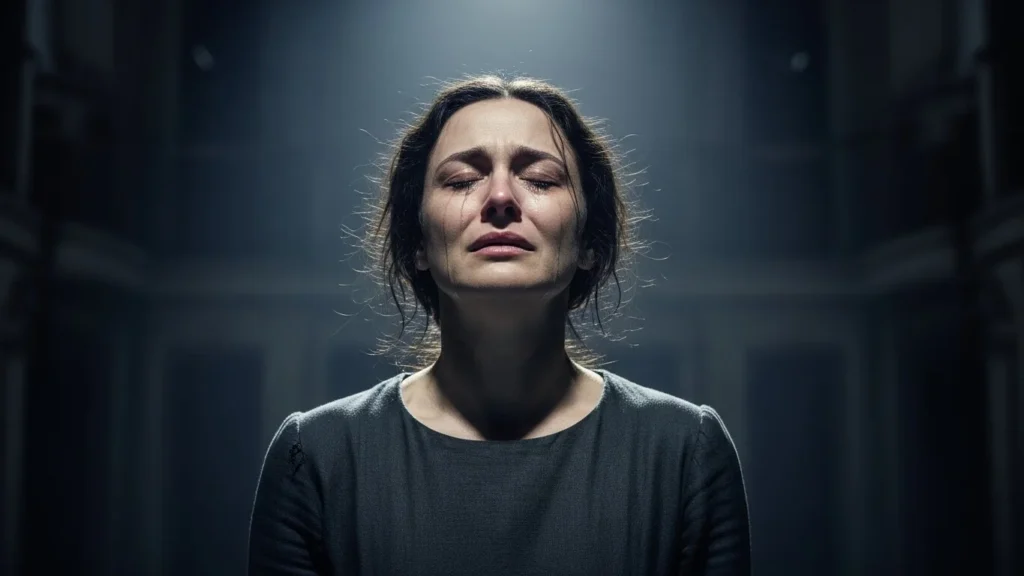
“I Dreamed a Dream” is a song about lost hope, broken dreams, and emotional reflection on a painful past. The lyrics express how life can change suddenly—from hope and love to disappointment and struggle.
Overall meaning:
- Dreams of a better life that did not come true
- Emotional pain and regret
- Acceptance of life’s harsh reality
- Reflection on youth, love, and loss
The song is often seen as a powerful expression of human disappointment and resilience.
I Dreamed a Dream Meaning Lyrics
The meaning behind the lyrics focuses on the contrast between:
- Hope (dreams of happiness and love)
- Reality (loss, hardship, and suffering)
It symbolizes how people often imagine a perfect future, but life brings unexpected challenges. It is a deeply emotional reflection on broken expectations and survival through pain.
I Dreamed a Dream Original
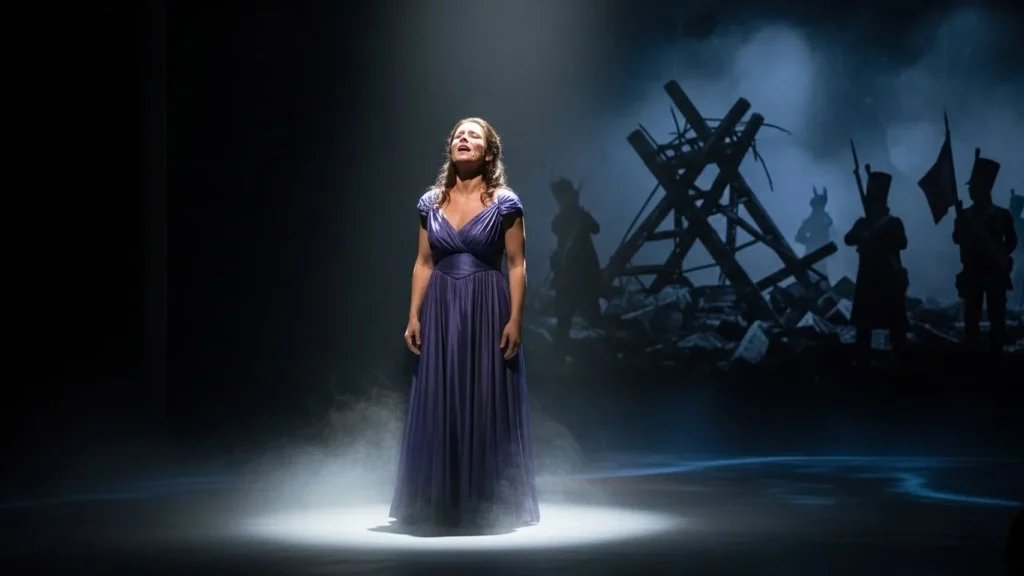
“I Dreamed a Dream” originally comes from the musical Les Misérables (1980).
It was first performed in the stage production as part of the character Fantine’s story, representing her fall from hope into hardship.
I Dreamed a Dream Broadway
In Broadway productions of Les Misérables, the song is one of the most emotional highlights of the show.
It is performed during Fantine’s tragic storyline and represents:
- Loss of innocence
- Poverty and struggle
- Emotional heartbreak
It is one of the most iconic Broadway musical songs ever written.
I Dreamed a Dream Original Singer
The role of Fantine has been performed by many actresses in different productions.
- Early stage performances included original cast members in London and Broadway productions
- The song became globally famous through multiple performers over time
There is no single permanent “original singer”, but it is strongly associated with Fantine’s character in the original stage musical of Les Misérables.
I Dreamed a Dream French
The original French version comes from the concept album “La Vie de Bohème”, where the musical originated.
In French, the song reflects:
- The same theme of lost dreams
- Emotional storytelling
- Early development of the Les Misérables musical story
The musical itself is based on Victor Hugo’s novel Les Misérables.
I Dreamed a Dream Les Misérables
The song is part of Les Misérables, one of the most famous musicals in the world.
It represents Fantine’s emotional journey from:
- Hope → struggle → despair
It is widely considered a symbol of:
- Human suffering
- Strength in hardship
- Emotional storytelling in musical theatre
I Dreamed a Dream Best Version
There are many famous versions of the song. Some of the most well-known include:
- Stage musical performances (various Fantines)
- Film adaptation performance (very emotional interpretation)
- Cover versions by international singers
Each version is appreciated for different reasons:
- Stage versions → theatrical emotion
- Film versions → cinematic realism
- Covers → vocal power and interpretation
The “best” version depends on personal taste and emotional connection.
Dreams as a Human Experience
Dreams are part of human life. Scripture recognizes that dreams happen to all people and are often connected to thoughts, emotions, and daily events.
“For a dream comes through much activity.”
Ecclesiastes 5:3
Dreams in Biblical History
The Bible records many dreams that carried insight or direction. These dreams were understood through wisdom, patience, and humility.
“In a dream, in a vision of the night.”
Job 33:15
Not Every Dream Has a Message
Scripture teaches that not all dreams are spiritual messages. Some come from daily stress or imagination.
“For many dreams come with much busyness.”
Ecclesiastes 5:7
The Meaning Behind Saying “I Dreamed a Dream”
This phrase often reflects a strong emotional impression. It shows that the dream stayed in the mind and heart after waking.
Dreams and Inner Reflection
Dreams can reflect inner thoughts, fears, hopes, or memories.
“As a man thinks in his heart, so is he.”
Proverbs 23:7
Dreams and Emotional Processing
Dreams may help process emotions that are not expressed during the day.
“GOD knows the secrets of the heart.”
Psalm 44:21
Dreams as a Call to Wisdom
The Bible encourages wisdom rather than fear when thinking about dreams.
“If any of you lacks wisdom, let him ask of GOD.”
James 1:5
Dreams and Personal Change
Dreams may appear during times of change, growth, or uncertainty.
“To everything there is a season.”
Ecclesiastes 3:1
Dreams and Memory
Sometimes dreams replay past events or feelings.
“The heart knows its own bitterness.”
Proverbs 14:10
Dreams and Stress
Stress can influence dreams strongly.
“Cast your burden upon GOD.”
Psalm 55:22
Dreams and Fear
Fearful dreams do not mean harm is coming.
“GOD has not given us a spirit of fear.”
2 Timothy 1:7
Dreams and Hope
Some dreams bring encouragement or hope.
“The LORD is good to all.”
Psalm 145:9
Dreams and the Need for Stillness
Dreams may invite a person to slow down and reflect.
“Be still, and know that I am GOD.”
Psalm 46:10
Dreams Should Be Examined Calmly
Scripture teaches balance and testing.
“Test all things; hold fast what is good.”
1 Thessalonians 5:21
Dreams and Spiritual Balance
Dreams should never replace wisdom, responsibility, or faith.
“Trust in the LORD with all your heart.”
Proverbs 3:5
Dreams and Guidance
Sometimes dreams guide reflection, not decisions.
“Your word is a lamp to my feet.”
Psalm 119:105
When Dreams Feel Heavy
Heavy dreams may reflect emotional weight.
“GOD is near to the brokenhearted.”
Psalm 34:18
A Simple Prayer After a Dream
“O GOD, bring clarity and peace to my heart. Remove confusion and grant wisdom. Amen.”
Practical Steps After a Strong Dream
Stay calm
Reflect on emotions
Write the dream down
Avoid fear
Seek wisdom
Rest the mind
