

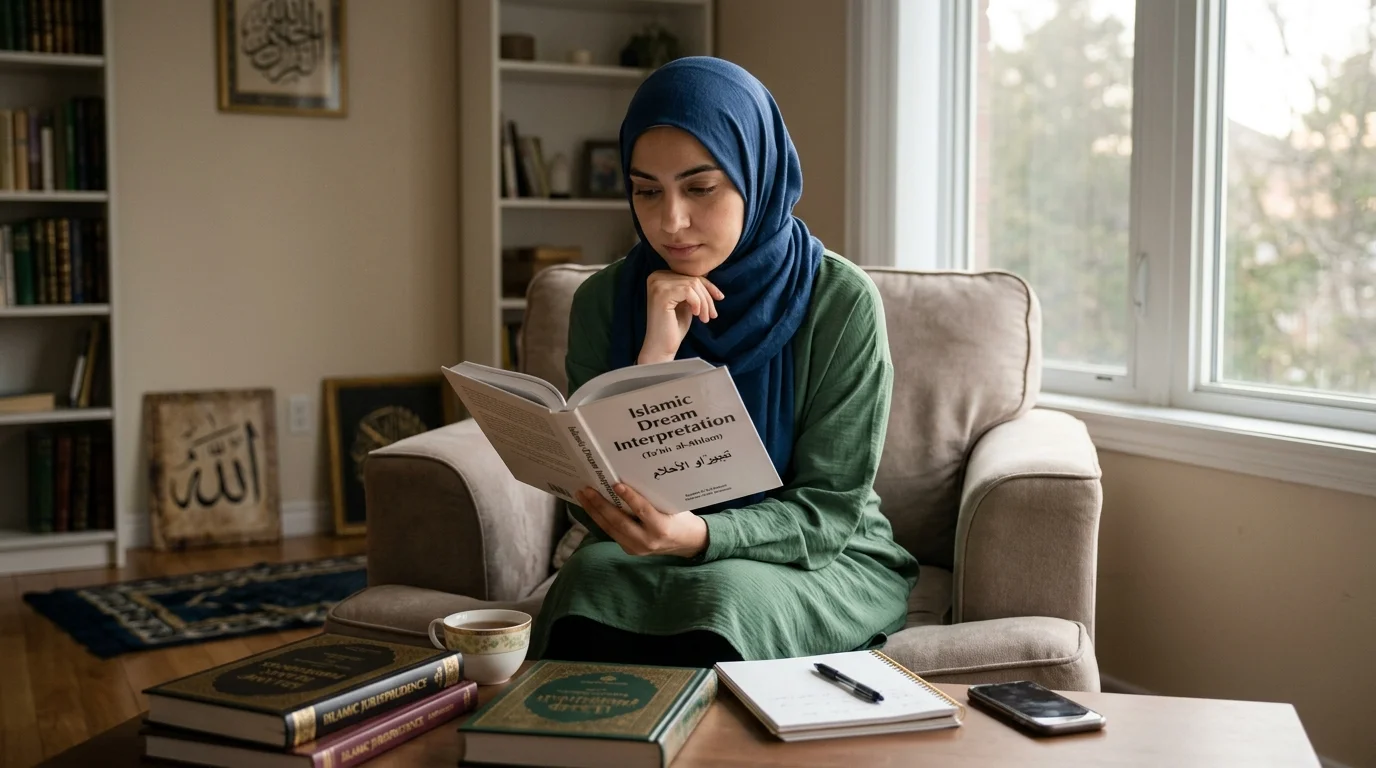
Islamic Meaning of Having Sex in a Dream with a Stranger
In Islamic dream interpretation, intimate dreams are generally understood symbolically, not literally. Seeing yourself having sex with a stranger may represent:
- Hidden desires or unmet emotional needs
- Inner conflict or guilt about thoughts or actions
- Influence of Shaytan causing disturbing dreams
- Worldly distractions or loss of spiritual focus
Such dreams are usually not taken as a sign of real-life actions. In Islam, dreams of this type are often considered nafs (self-thoughts) or disturbing dreams, not true visions.
What Is the Meaning of Having Sex in Dream with Unknown Person
Dreaming of intimacy with an unknown person may symbolize:
- Emotional loneliness or need for connection
- Desire for affection or understanding
- Confusion in personal relationships
- Unresolved subconscious thoughts
It often reflects emotional or psychological state, not physical meaning.
Committing Zina in Dream Islam
In Islam, seeing zina (fornication) in a dream does not mean the person has committed sin in real life.
It may indicate:
- Spiritual weakness or distraction
- Influence of negative thoughts or Shaytan
- Warning to strengthen faith and avoid temptation
- Inner guilt or anxiety
Islamic scholars generally agree: dreams are not accountability unless acted upon in reality.
Spiritual Meaning of Having Sex in the Dream with a Stranger
Spiritually, this dream often symbolizes:
- Integration of hidden aspects of self (shadow emotions)
- Need for emotional connection
- Inner imbalance between desire and values
- Search for intimacy or acceptance
It is more about psychological healing and self-awareness than literal meaning.
How to Stop Having Sex Dreams in Islam
In Islamic guidance, to reduce disturbing dreams:
- Recite Ayat-ul-Kursi before sleeping
- Sleep in a state of wudu (ablution)
- Read Surah Al-Ikhlas, Al-Falaq, and An-Nas
- Avoid sinful or triggering content before sleep
- Sleep on your right side
- Make dua for protection from Shaytan
Also, if a disturbing dream occurs, Islam advises:
- Do not share it widely
- Spit lightly to the left (symbolic Sunnah practice)
- Change sleeping position and ignore it
Having Sex in Dream Meaning in Hinduism
In Hindu interpretation, such dreams often represent:
- Unfulfilled desires or emotional attachment
- Karma related to relationships
- Union of energies (Shiva–Shakti symbolism in spiritual sense)
- Need for balance between mind and emotions
It is often seen as psychological or karmic symbolism, not literal prediction.
Romance with Husband in Dream Meaning (Islam)
Dreaming of romance with your husband is generally a positive sign in Islam. It may symbolize:
- Love and emotional bonding
- Stability in marriage
- Desire for closeness and affection
- Blessings in marital life
Such dreams often reflect natural love and harmony between spouses.
Sex Dream with Husband Meaning in Islam
This type of dream is usually considered:
- A reflection of love and intimacy
- Emotional satisfaction or desire for closeness
- Strengthening of marital bond
In most interpretations, it is not negative or sinful, as it relates to lawful relationship (halal connection).
Simple Summary
- Stranger intimacy dreams → subconscious thoughts, not real actions
- Zina dreams → spiritual warning or disturbance, not actual sin
- Husband intimacy dreams → love, bonding, emotional connection
- Islam treats disturbing dreams as not accountable actions
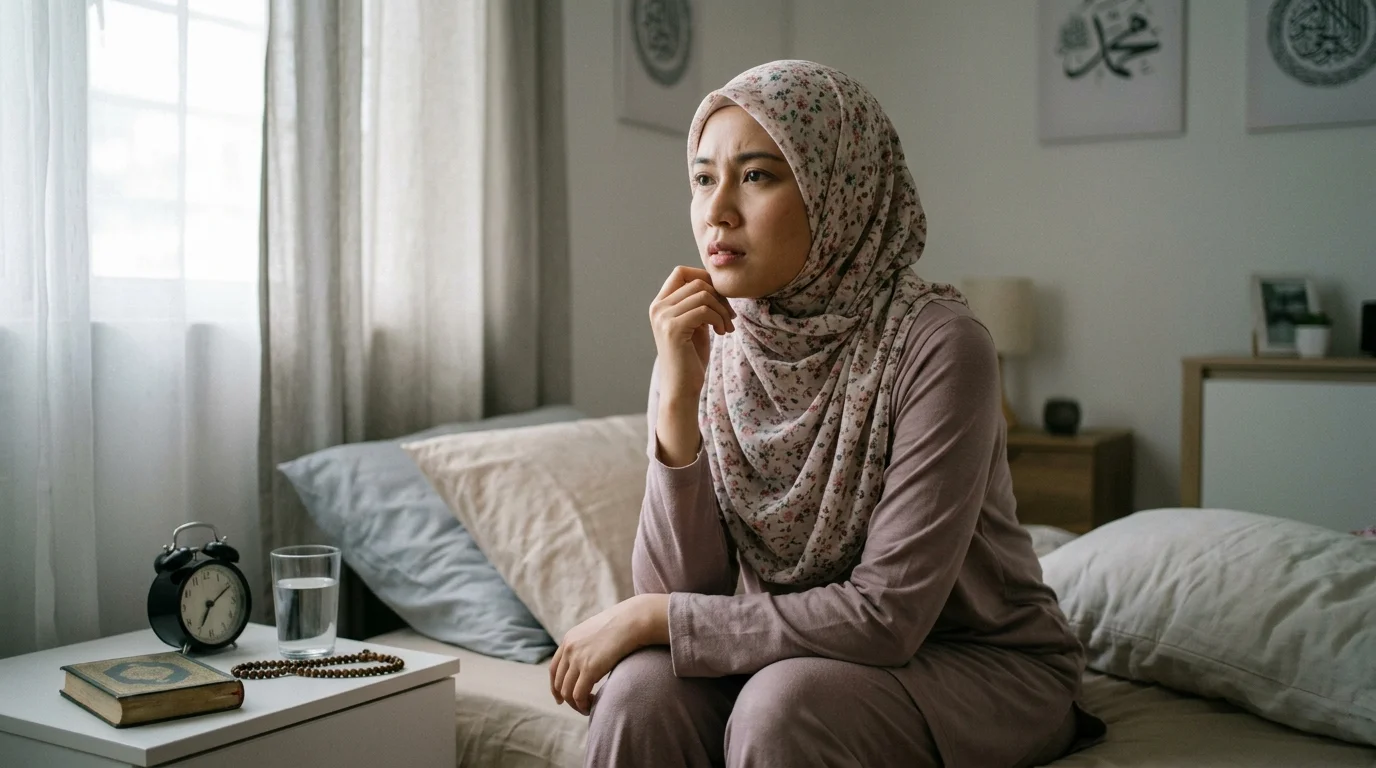
Understanding Dreams in Islam
In Islam, dreams can come from three sources:
True dreams (Ru’ya) – sometimes from Allah.
False or confusing dreams (Hulm) – from the self or Shaytan.
Reflections of daily life – ordinary thoughts or experiences.
“A good dream is from Allah, and a bad dream is from Shaytan.” – Sahih al-Bukhari
Emotional Reflections in Dreams
Dreams about sexual activity often reflect inner emotions, desires, or anxieties rather than literal events.
Symbolism and Context Matter
Islamic scholars emphasize context and symbolism in dreams. The meaning can change depending on who is in the dream, the setting, and the emotions felt.
Spiritual Significance
Some dreams may serve as reminders to evaluate personal conduct, relationships, or spiritual habits.
Self-Reflection and Morality
Seeing sexual activity in a dream may invite reflection on personal boundaries, self-control, or emotional states.
Stress and Psychological Factors
Dreams often reflect subconscious stress, unresolved emotions, or daily experiences.
Gender and Identity Symbolism
The appearance of women in dreams can symbolize aspects of the dreamer’s life, personal challenges, or relationships.
Dreams as Guidance
While not always prophetic, some dreams serve as reminders to strengthen faith, patience, and mindfulness.
Seeking Protection from Harm
Islamic guidance recommends seeking protection through prayer (dua), reciting Ayat al-Kursi, and seeking forgiveness after troubling dreams.
Privacy and Confidentiality
Dreams of a sexual nature are private and should be approached respectfully, with care not to share indiscriminately.
Positive Reflections
Even sensitive dreams can encourage personal growth, self-reflection, or spiritual mindfulness.
Negative Reflections
Some dreams may indicate stress, guilt, or internal conflicts. They are opportunities to reflect and seek guidance from Allah.
Emotional Awareness
Being aware of one’s feelings upon waking helps interpret the dream’s significance in a healthy way.
Dream Variations Matter
Different scenarios—consent, emotions, or unknown figures—affect the dream’s interpretation.
Dreams and Daily Life
Islamic scholars note that many dreams are influenced by daily thoughts, media, and experiences.
Reflection and Repentance
Dreams may inspire believers to repent, seek forgiveness, and improve character.
Consultation with Scholars
For deeper insight, consulting knowledgeable Islamic scholars can provide guidance without panic.
Spiritual Protection Practices
Recite Ayat al-Kursi
Perform Wudu before sleeping
Seek Allah’s guidance through dua
Personal Awareness
Dreams are reminders to maintain ethical and spiritual mindfulness in daily life.
Gratitude and Acceptance
Accepting dreams as reflections rather than predictions promotes emotional balance and prevents unnecessary fear.
